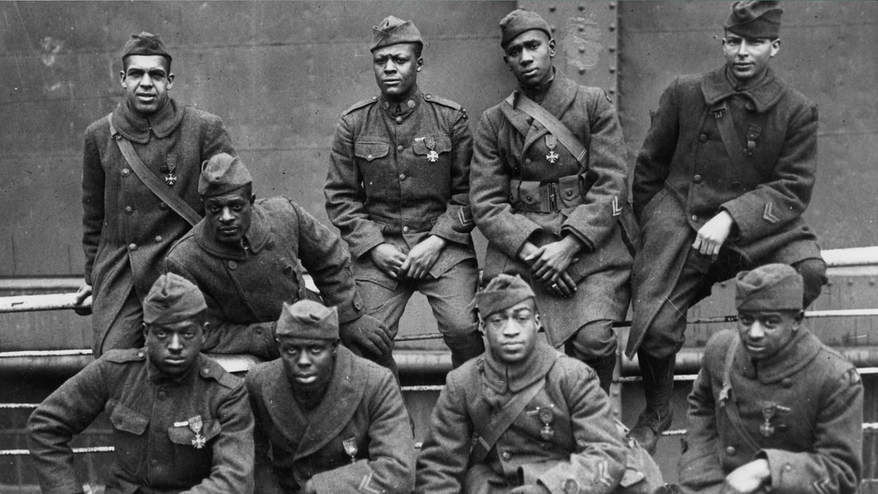
Photograph: Heading North. Delano, Jack, 1940, photograph.
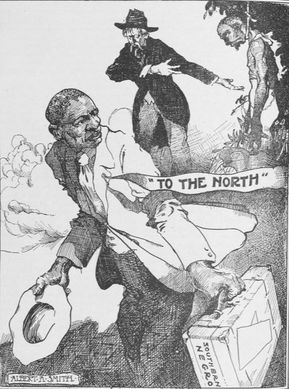
This drawing highlights the racial conflicts in the South that led to blacks migrating north.
|
The Great Migration refers to large numbers of blacks leaving the rural south for northern industrial cities such as Chicago, Philadelphia, and New York. During World War I, northern recruiters recruited southern black men for the war and to work in northern factories. Lynchings and violence were also common reasons for African-americans migrations. The war also gave the economy a boost, allowing people to allocate more of their money to leisure activities. The vast amounts of blacks, now living in the North, greatly increased racial tensions between blacks and whites. The conflicts between white and blacks were most evident in the summer of 1919, appropriately nicknamed the "Red summer." That summer more than twenty-five race riots occurred and nearly a thousand people died. In New York, there was another migration, but on a smaller scale; blacks were leaving "Black Bohemia", a New York neighborhood, and were moving to Harlem. Whites eventually would leave Harlem as a result of their new black neighbors.
|